Breath of the Summit: Making With Hands Above the Clouds
Today we set our sights on analog field tools for high-altitude creativity—sketchbooks, film, and hand instruments—testing ideas where oxygen thins and horizons expand. Expect practical packing notes, resilient materials, and soulful process insights to keep making when peaks challenge patience, fingers, and focus. Whether you carry a pocket notebook, a mechanical camera, or a brass compass, this guide shares field-proven habits, small victories, and cautionary tales to help your art breathe clearly at elevation and return safely with stories.

Packing Light, Creating Boldly

Paper That Doesn’t Quit

Choose bindings that flex without cracking in cold, with paper that grips graphite yet forgives erasure. Heavier stocks resist moisture, but lighter signatures bend into pockets. Field-test page sizes wearing gloves, tape in fold-out panoramas, and number spreads for fast indexing under gusting weather.

Emulsions for Thin, Bright Air

Choose bindings that flex without cracking in cold, with paper that grips graphite yet forgives erasure. Heavier stocks resist moisture, but lighter signatures bend into pockets. Field-test page sizes wearing gloves, tape in fold-out panoramas, and number spreads for fast indexing under gusting weather.

Tools You Can Trust

Choose bindings that flex without cracking in cold, with paper that grips graphite yet forgives erasure. Heavier stocks resist moisture, but lighter signatures bend into pockets. Field-test page sizes wearing gloves, tape in fold-out panoramas, and number spreads for fast indexing under gusting weather.

Breathing Lines: Drawing in Thin Air
Gesture Before Detail
Begin with sweeping motions that capture slope, cloud travel, and rhythm before committing to fissures or grain. Set a one-minute timer, repeat, then add measured accents. This approach respects fleeting light, keeps pages alive, and forgives numb fingers while still honoring complex geology and changing shadows.

Warm Hands, Warm Graphite

Slip chemical hand warmers near wrists, rotate gloves between takes, and keep pencils inside jacket pockets. Practice controlled exhalations to steady strokes without fogging pages. Micro-breaks with shoulder circles restore precision, preventing cramped claws and allowing expressive pressure shifts even when icy gusts claw at patience.

Edge of Weather

Treat incoming fog or sleet as collaborators. Switch to soft leads, block silhouettes, and reserve white paper for blinding snow. Noting wind direction, temperature, and time alongside drawings encodes memory, so later studio decisions echo the mountain’s mood rather than overwrite its original, messy truth.

Mechanical Companions

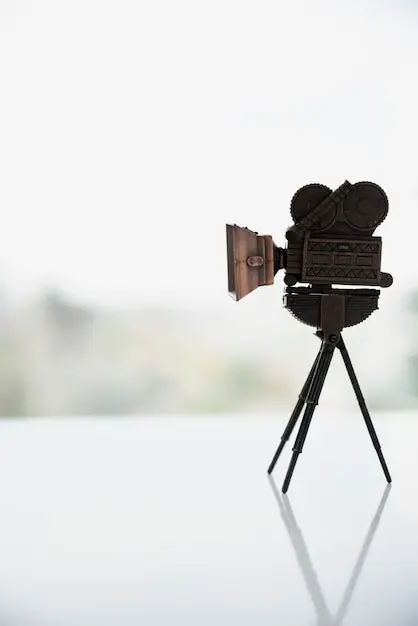
When electronics sulk, springs, gears, and needles keep pace. We celebrate tools that click, fold, and point without complaint: robust cameras, pocket compasses, clinometers, and analog meters. Understand tolerances, lubrication needs, and simple checks that reveal issues before altitude and cold magnify small misalignments into trip-wrecking surprises.

Film Exposed to the Sky

Bright snow, cobalt shadows, and restless cloud make exposure decisions exhilarating. We explore metering strategies, reciprocity considerations, and wind-aware camera placement. Learn to trust incident readings, shield lenses from spindrift, and compose with breathing room so later darkroom choices honor the mountain’s fierce light rather than tame it.

Pagination and Fast Retrieval

Number pages before departure, reserve a few blank index leaves, and create symbols for light conditions, wind, and subject types. Later, matching film frames to sketches becomes painless, letting you recreate sequences quickly without rummaging through a dozen dog-eared corners while deadlines crowd memory.

Mixed Media Without Bulk

Carry a watercolor dot card, a stub of charcoal, and a tiny glue stick for field layering. Use washi tape hinges for samples like lichen or thread. These tiny affordances expand expressive range while keeping pack weight sane and your hands free to balance on scree.

Annotations That Survive Weather

Write with pencil over waterproof grid stickers, shield notes under translucent tape, and adopt a left-page metadata, right-page drawing convention. When sleet interrupts, you still capture essentials. Later, these durable breadcrumbs guide scanning, captioning, and selection, ensuring field truth accompanies every frame and mark you share.

Storycraft at Altitude

Isolated details sing louder when sequenced. Combine quick ridge gestures, footstep textures, and long, patient film frames into arcs that begin before dawn and resolve with the first city light below. Editing honors breath, silence, and acceleration, delivering narratives that feel walked, not merely witnessed from afar.

A Day Above Tree Line

Open with condensation plumes over cups, then switch to ridgeline silhouettes and tired boots. Midday glare becomes restraint; evening alpenglow earns a full stop. Your sequence should hold sweat, doubt, and giddy relief, inviting viewers to breathe thinner and feel gravity tug at choices.

Characters: Wind, Rock, and You

Let nonhuman actors speak. Frame wind carving snow, rock holding shadow, and your hands learning patience. Interleave field notes about altitude headaches with joyous squeaks of a shutter. This balance keeps sentiment honest and reminds audiences that partnership with landscape requires humility, persistence, and laughter.

Editing by Headlamp

Back at camp, arrange contact sheets and thumbnails within the circle of light. Trim pages with a pocket blade, mark beats, and test pairings aloud. The constraint of darkness clarifies rhythm, and tomorrow’s climb benefits from decisions already resting quietly inside your pack.

Community and Continuation

Great routes circulate through shared notebooks and generous campfire tales. Add your voice: compare kits, exchange cautionary lessons, and celebrate misadventures that became favorite frames. Subscribe for new field exercises, comment with your go-to papers and films, and help refine a living practice that values curiosity over perfection.
Post a spread describing altitude, temperature, and exposure choices, then tag your companions and mentors. Invite critique on legibility and pacing, and ask about alternative stocks or pencils. This exchange transforms solitary notebooks into a constellation of reference points others can navigate by under unfamiliar skies.
Contribute a compact kit list that survived storms, explain what failed, and describe the one tool you would never leave behind. Reading others’ notes reveals patterns, reduces wasteful purchases, and spurs smarter experiments before the next climb taxes lungs, patience, and whatever remains of daylight.
Pose questions about emulsions or bindings, offer extra rolls or unused notebooks, and report back after trials. The loop matters: acknowledging advice and closing experiments with results builds trust. Over months, this cadence develops shared techniques that lift every maker higher, one careful step at a time.
Tunovanifarizuno
Privacy Overview

This website uses cookies so that we can provide you with the best user experience possible. Cookie information is stored in your browser and performs functions such as recognising you when you return to our website and helping our team to understand which sections of the website you find most interesting and useful.